
Vietnam is quietly reshaping how its labor market works.
Starting January 1, 2026, the new Employment Law introduces a more flexible unemployment insurance system. On paper, it looks like a policy update. In reality, it signals something bigger: Vietnam is moving toward a labor market that is more fluid, more mobile, and more aligned with modern employment patterns.
For HR leaders and business operators, this isn’t just about compliance. It’s about understanding how workforce behavior, and expectations, are about to change.
A System That’s Catching Up With Reality
Vietnam’s unemployment insurance system has been in place for years, but it hasn’t always kept up with how people actually work. Traditionally, the system favored:
- Long-term, stable employment
- Clearly defined contracts
- Continuous contribution periods
That worked when careers were more linear. But today, that’s no longer the norm. Employees switch jobs more often. Some move between industries. Others take short-term roles or pause between jobs. And under the old system, many of these workers either didn’t qualify for benefits or found the process too rigid to be useful.
The 2025 Employment Law is trying to fix that. As highlighted by VietnamNet, the new approach focuses on making unemployment insurance more accessible, more responsive, and easier to use, especially in a labor market that’s becoming increasingly dynamic.
What “Flexible” Actually Means
“Flexible unemployment insurance” sounds abstract, but in practice, it comes down to a few meaningful shifts.
Broader Access to Benefits
More workers are likely to be covered under the new system. This could include:
- Employees with shorter contribution histories
- Workers transitioning between jobs more frequently
- Those in less traditional employment setups
The goal is simple: fewer people fall through the cracks.
Benefits That Reflect Real Careers
Instead of assuming long, uninterrupted employment, the system is being redesigned to better reflect how people actually move through the workforce. That means:
- Benefits that align more closely with contribution history
- More flexibility in how and when benefits are accessed
- Less friction in the claims process
It’s a shift from a “one-size-fits-all” model to something more adaptable.
Less Friction, More Efficiency
Another key change is administrative. The government is pushing toward:
- Faster processing of claims
- Better integration of employment and insurance data
- More digital workflows
For employees, this means less waiting and uncertainty. For employers, it means less room for error, and more need for clean, accurate data.
Why This Is Happening Now
This reform didn’t come out of nowhere. It reflects several broader shifts happening in Vietnam.
People Are Moving More
Job mobility is rising, especially in sectors like tech, manufacturing, and services. Employees are:
- Changing roles faster
- Exploring new industries
- Prioritizing growth and flexibility
A rigid insurance system simply doesn’t fit that reality anymore.
The Pandemic Exposed Gaps
COVID-19 revealed weaknesses in many labor systems, including Vietnam’s. Some workers struggled to access benefits quickly. Others weren’t covered at all. The new law is, in part, a response to that, designed to make the system more resilient in times of disruption.
Vietnam Is Modernizing Its Labor Market
There’s also a bigger picture. Vietnam is gradually aligning with global labor trends:
- More flexible employment models
- Stronger social protection systems
- Increased use of digital infrastructure
Unemployment insurance is just one piece of that puzzle.
What This Means for Employers
This is where things get practical.
1. Workforce Behavior Will Shift
When employees feel more financially secure, they behave differently. With better access to unemployment benefits:
- People may be more willing to leave roles that don’t fit
- Job switching could become more common
- Retention may become harder in competitive sectors
In short, the “cost” of leaving a job decreases, and that changes the dynamic between employer and employee.
2. Retention Needs a Rethink
If employees are more mobile, companies can’t rely on stability alone. Retention will increasingly depend on:
- Career development opportunities
- Meaningful work and culture
- Long-term value, not just salary
This is especially true for mid-level and high-demand talent.
3. Compliance Becomes More Visible
As systems become more integrated and digital, compliance becomes less forgiving. Employers will need to ensure:
- Accurate contribution records
- Proper employee classification
- Timely and consistent reporting
Mistakes that might have gone unnoticed before are more likely to surface.
A Real-World Scenario
Take a mid-sized tech company in Ho Chi Minh City. They’re growing quickly, hiring aggressively, and experiencing steady employee turnover, nothing unusual for the industry.
Under the old system:
- Employees leaving sometimes faced delays in receiving benefits
- HR managed insurance processes manually or semi-manually
- Compliance was handled, but not always optimized
Under the new framework:
- Employees transition between jobs more confidently
- HR must provide cleaner, faster, more accurate data
- Turnover becomes slightly easier, and potentially more frequent
So what does the company do? They invest in:
- A proper HRIS system
- Automated payroll and insurance reporting
- Stronger retention programs focused on growth and development
The result isn’t just compliance, it’s a more scalable and resilient HR function.
The Less Obvious Impact: Employee Expectations
Policy changes don’t just affect systems, they shape mindset. As unemployment insurance becomes more flexible, employees may start to expect:
- Greater transparency around benefits
- Better support during transitions
- More structured offboarding experiences
In other words, the employee lifecycle doesn’t end at resignation anymore, it extends into how companies handle exits responsibly.
Challenges to Expect Along the Way
Of course, this transition won’t be seamless.
Unclear Guidelines (At First)
Like most new regulations, there may be:
- Grey areas in interpretation
- Updates or adjustments over time
- Differences in implementation across regions
System and Process Gaps
Many companies still rely on:
- Manual tracking
- Disconnected HR tools
- Inconsistent data practices
These gaps will need to be addressed.
Internal Capability Gaps
HR teams may need to:
- Learn new systems
- Understand updated legal requirements
- Adapt to more data-driven processes
Where the Opportunity Is
For companies that move early, this isn’t just a compliance exercise. It’s a chance to:
- Modernize HR operations
- Improve workforce data quality
- Build a stronger employer brand
More importantly, it’s an opportunity to align with where the labor market is heading, not where it used to be.
How to Start Preparing Now
With the 2026 deadline now in view, companies should already be moving from awareness to action.
Audit What You Have
- Review current unemployment insurance processes
- Identify gaps in compliance or data accuracy
Fix the Foundations
- Upgrade HR and payroll systems if needed
- Standardize how employee data is managed
Train Your Team
- Make sure HR understands what’s changing
- Build confidence in using new tools and processes
Communicate Early
- Help employees understand what this means for them
- Build trust through clarity and transparency
Conclusion
This change isn’t loud, but it’s meaningful. Flexible unemployment insurance is a signal that Vietnam’s labor market is becoming more adaptive, more modern, and more employee-aware.
For businesses, that means one thing: the rules of workforce management are evolving. Those who treat this as a simple compliance task will keep up.Those who see it as a shift in how people work, and plan accordingly, will be in a much stronger position moving forward.

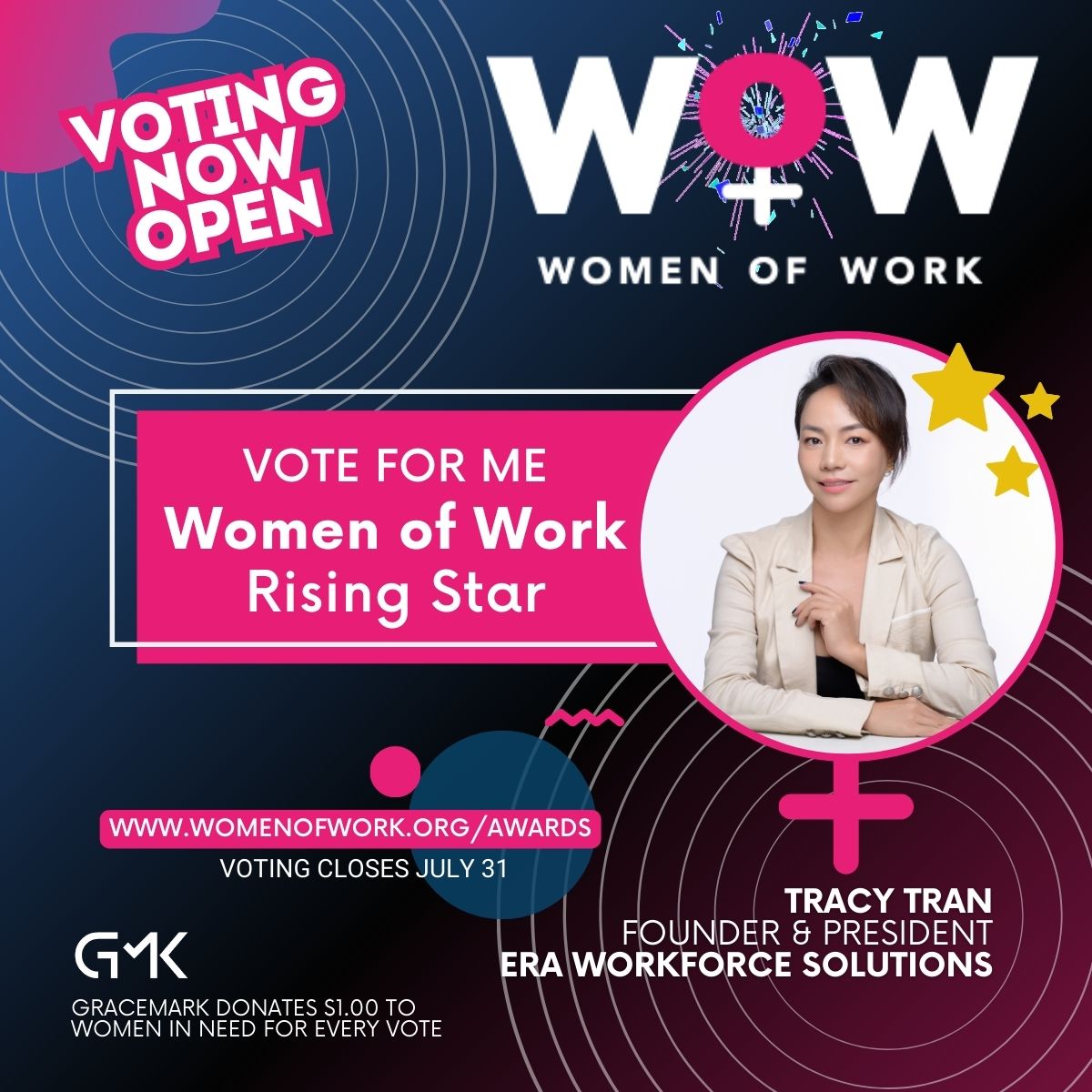
Ms. Tracy has worked in human resource consulting for over 15 years. A driven entrepreneur focused on business expansion and people development. She previously worked as Country Manager for an international Australia firm that specializes in global workforce management, as well as several key roles as Business Growth Director and Executive Search Director for both large local firms to effectively drive their business growth. A strong emphasis is placed on aligning organizational priorities/objectives with business needs. She has a large network of local business leaders and a thorough understanding of the local market.